
Find hidden leaks
Leak Detection Service in San Francisco
A hidden leak spreads quietly and gets expensive fast. Let us find the source.
Find hidden leaks
A hidden leak spreads quietly and gets expensive fast. Let us find the source.
Not every leak announces itself. Some start behind walls, under floors, above ceilings, near water heaters, or inside older pipe runs. By the time you see a stain, water has been moving for a while. Emergency Plumber SF provides leak detection for San Francisco homes and businesses when stains, damp smells, high water bills, soft flooring, or unexplained dripping point to a hidden problem.
Our process focuses on narrowing the source without unnecessary demolition. We inspect visible plumbing, listen to the symptoms, check nearby fixtures, evaluate pressure clues, and use targeted field methods to determine where the leak is actually coming from, before anyone opens a wall.
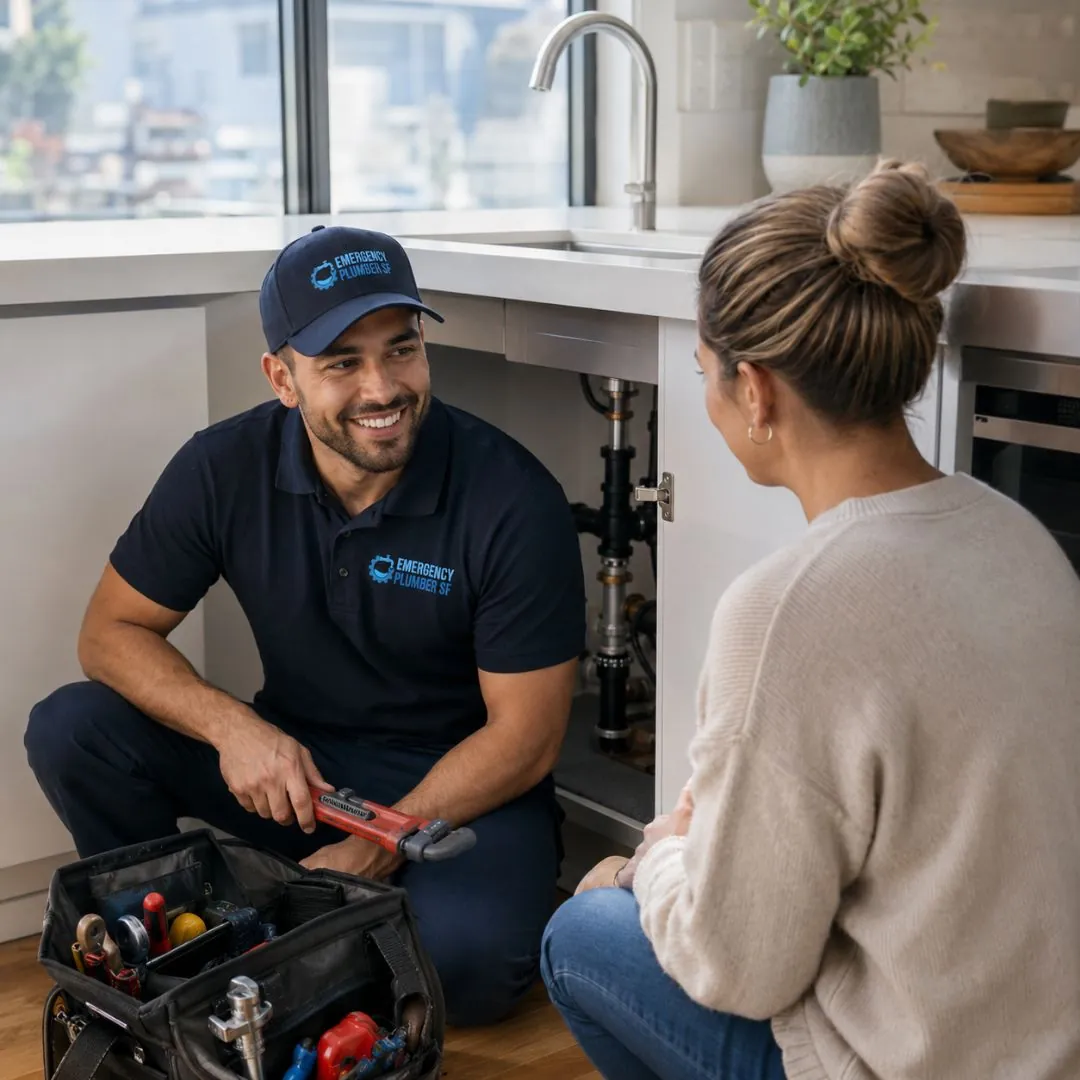
Small leaks become expensive when ignored. A slow drip inside a wall can mean mold, rot, and a much bigger bill later. If you notice moisture, staining, musty odor, warped material, a water meter that moves with everything off, or repeated damp spots, it's worth having the plumbing system checked now.
We trace likely water paths, inspect nearby fixtures, and identify plumbing connections leaking behind finished surfaces, with minimal opening.
Loose fittings, worn supply lines, failed traps, and fixture seals create slow leaks that quietly ruin cabinets and flooring.
We check valves, connectors, drain pans, relief lines, and the tank itself to determine exactly where water is coming from.
If the bill rises or the meter moves when every fixture is off, we hunt down the hidden supply leak driving it.
Once the leak is located, we explain access needs, repair options, and how to reduce the risk of it happening again.
The cheapest leak is the one found before the damage. Here is how it is located, and one test you can run yourself in ten minutes tonight.
Start with the version that costs nothing. Turn off every fixture and appliance in the building, including ice makers and irrigation, then look at your water meter. Most have a small low-flow indicator, a triangle or a dial, that spins when even a trickle is passing. If it moves with everything off, water is going somewhere. Note the reading, wait an hour without using anything, and read it again. That single test costs nothing and converts a suspicion into a fact.
Finding where is the harder part, and it is why this is a specialist service rather than something you diagnose by opening walls hopefully.
Pressurised water escaping makes a distinctive sound. Ground microphones and amplifiers pick it up through slabs and walls, which is the primary method for supply line leaks.
Evaporation cools a surface, and hot water lines heat one. A thermal camera shows both as temperature differences, narrowing the area before anything is opened.
Sectioning the system and pressure testing each part determines which run is losing water, often before any locating equipment comes out at all.
Where acoustic methods struggle, an inert gas is introduced and detected at the surface as it escapes. Useful for small leaks under concrete.
Pin and pinless meters confirm the actual moisture content in a material, separating a genuine wet area from an old stain.
For drainage leaks rather than supply, a camera in the line locates cracks and separated joints directly, with the position recorded above ground.
Slab leaks deserve a note. In buildings where supply lines run under a concrete floor, a failure gives you no visible water at all. The signs are a warm patch on the floor if it is the hot line, a water bill that climbed with no change in use, the sound of running water with everything off, cracked or lifting flooring, and damp at the base of a wall. Located accurately, a slab leak repair usually means opening a small, precise section of concrete. Located badly, it means opening several.
| Service | Typical Range | Average |
|---|---|---|
| Basic leak inspection | $150–$350 | $250 |
| Hidden leak detection | $300–$850 | $525 |
| Leak detection with minor repair | $450–$1,500+ | $850 |
| Complex multi-area investigation | $750–$2,000+ | $1,200 |
Costs depend on access, leak location, building type, and repair complexity. Detection findings are shown to you directly. You see what we see.
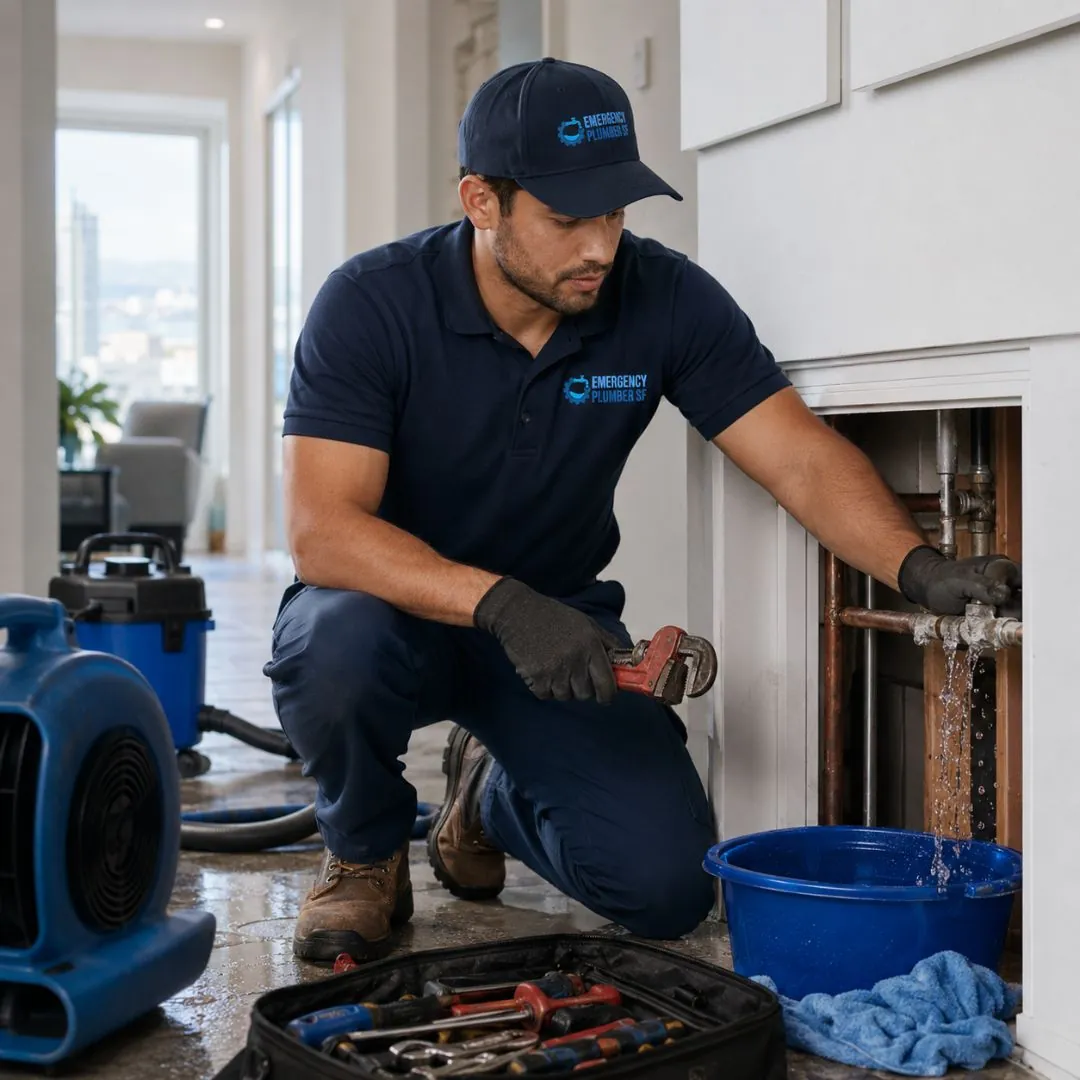
We take the time to understand where water is appearing versus where it's actually coming from, which are often two very different places.
Our approach narrows the source before anyone opens walls or replaces parts on a hunch.
When the source is confirmed, we can usually complete the needed plumbing repair on the same visit.
San Francisco buildings hide mixed piping, shared walls, and decades of old repairs. We know what to look for.
Shut off every fixture and appliance, including ice makers and irrigation, then watch the water meter's low-flow indicator. If it moves, water is escaping somewhere. For a slower leak, take a meter reading, leave the property untouched for an hour or two, and read it again. Any change with nothing running confirms a leak, which is worth knowing before you call anyone.
A warm patch on the floor if the hot line has failed, a water bill that rose with no change in use, the sound of running water when everything is off, flooring that has cracked or lifted, damp at the base of a wall, and reduced pressure. No visible water is normal, which is exactly why these run for months.
Usually yes for a slab leak, but the whole point of proper locating is that it is a small, precise opening rather than exploratory demolition. Where several failures exist on an old line, rerouting the run overhead or through walls is sometimes cheaper than repeated slab openings. That trade-off should be explained to you before anyone picks up a saw.
Good equipment in experienced hands typically locates a supply leak within a foot or so, which is close enough to open a small area with confidence. Accuracy drops on very small leaks, in noisy environments, and through thick or reinforced slabs. Nobody should promise exact certainty, and a locator who says the area is ambiguous is being honest rather than incompetent.
Typically $250 to $700 for a residential detection visit, depending on the size of the property and the methods needed. That is separate from the repair. Ask whether the detection fee is credited against the repair if you proceed with the same firm, because it often is and is rarely volunteered.
Run the meter test first, since it distinguishes a leak from a billing or usage change. If it confirms a leak, check the obvious suspects: a running toilet flapper is the single most common cause and costs almost nothing to fix. If those are ruled out and the meter still moves, that is the point to book detection rather than to keep guessing.
Yes, and it is common in this city's multi-unit buildings. The complication is access and authorisation rather than technique, because the leak often originates in a neighbouring unit or in a shared riser serving several tenancies. Sorting out who authorises entry and who pays is usually the slow part, so start that conversation early.
Supply lines are pressurised, so they leak continuously whether or not anyone is using water. Drains only leak while something upstream is running, so the water appears after a shower or when a sink empties. Shutting the main settles it quickly: if the water stops, it is supply; if it only appears when a fixture runs, it is drainage.
For leak detection in San Francisco, call Emergency Plumber SF before the damage spreads.
Quick, simple, and no obligation
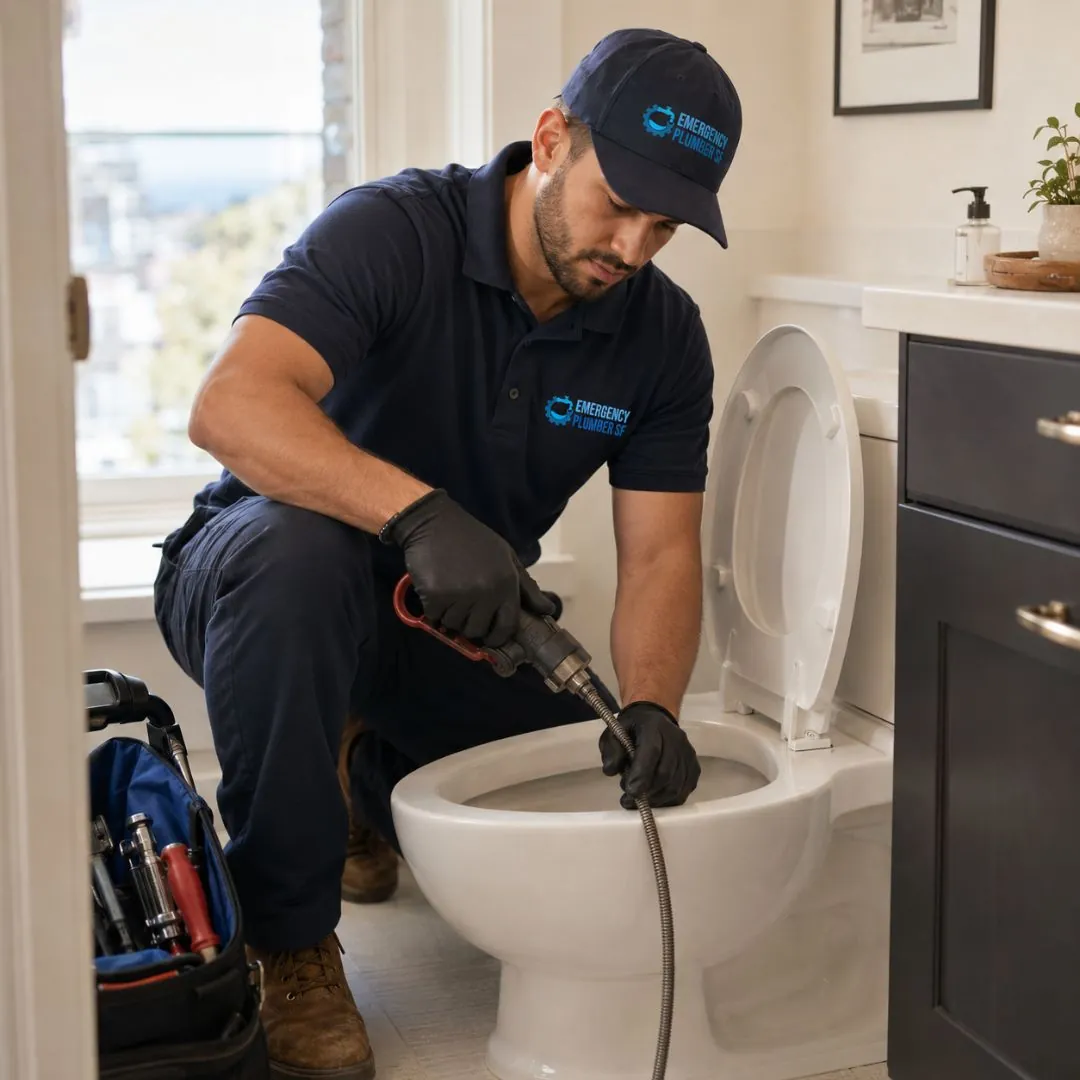
We ask when the moisture appeared, which fixtures were in use, and whether the issue changes with water use.
The technician checks fixtures, supply lines, drains, valves, walls, ceilings, and appliance connections.
We use practical testing and observation to pinpoint the most likely leak location.
Once the source is clear, we explain access, repair options, cost, and any follow-up drying concerns.